Share
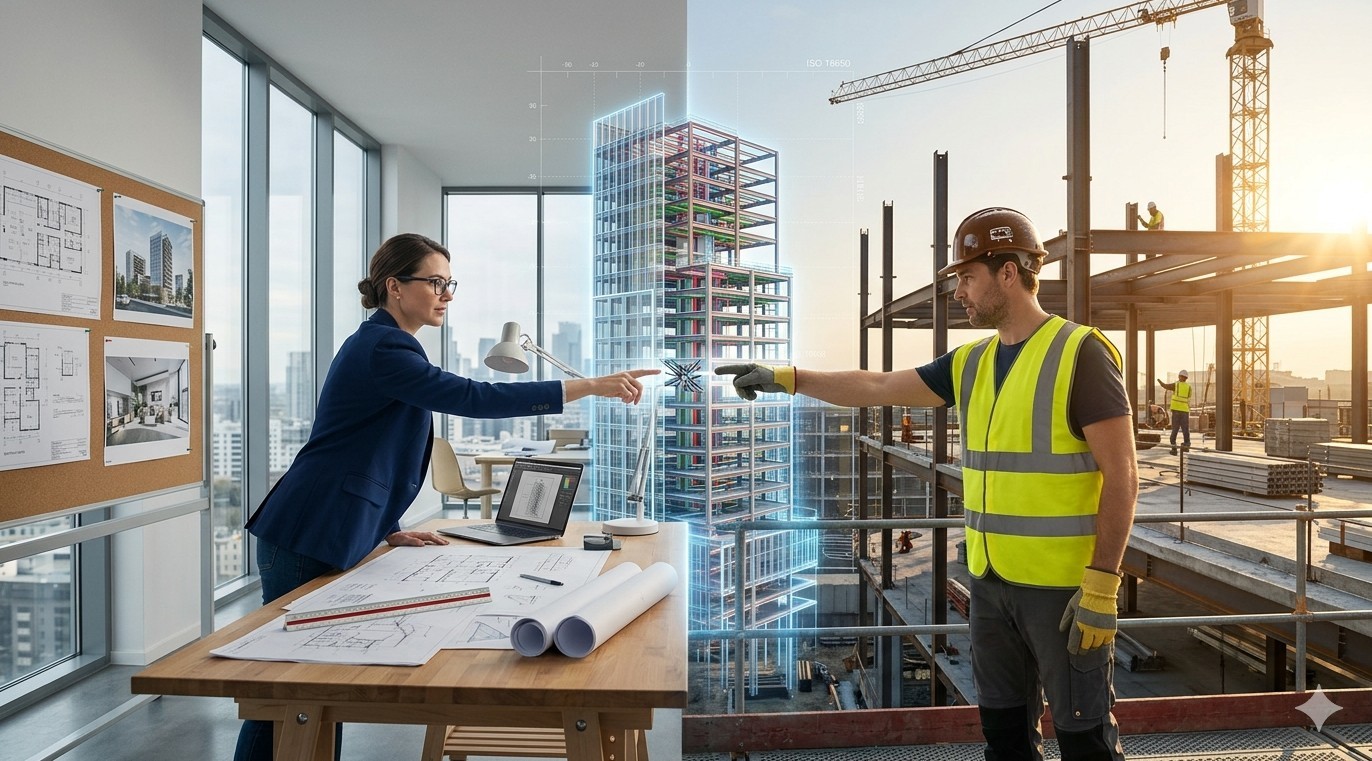
In construction, many project delays and cost overruns don’t come from lack of effort, they come from misalignment between architects and contractors. When design intent and construction reality are not fully aligned, coordination gaps appear, leading to RFIs, rework, and schedule pressure.
For project owners, contractors, and design leaders, improving architect–contractor collaboration is one of the most effective ways to protect cost, schedule, and quality.
Modern projects are too complex for siloed workflows. Successful teams integrate design and construction thinking early, often supported by coordinated BIM workflows and technical specialists who ensure that design outputs are aligned with buildability, cost, and sequencing requirements.
Align Collaboration Early in the Design Phase
The most successful projects begin collaboration before design is finalized. Early contractor involvement allows construction teams to provide input on materials, systems, and sequencing.
This reduces design revisions later and improves constructability from the start.
Use BIM as a Coordination Platform
Building Information Modeling (BIM) provides a shared environment where architects and contractors can coordinate systems in real time. Instead of relying on separate drawings, teams work on a unified model.
This improves communication, reduces conflicts, and ensures that design decisions reflect construction constraints.
Define Clear Roles and Responsibilities
Collaboration improves when responsibilities are clearly defined. Without clarity, gaps in scope can lead to delays and disputes.
Establishing structured workflows, communication protocols, and deliverables ensures that each party understands their role throughout the project lifecycle.
Integrate Cost and Constructability Feedback
Architectural decisions directly impact cost and construction complexity. Integrating estimation and constructability review into the design process allows teams to align design intent with budget and execution realities.
This reduces late-stage value engineering and protects project margins.
Maintain Continuous Communication
Collaboration is not a one-time activity. It requires ongoing communication between design and construction teams. Regular coordination meetings, model reviews, and progress updates ensure alignment as the project evolves.
Consistent communication reduces misunderstandings and keeps teams focused on shared goals.
Why Collaboration Matters for Decision Makers
For executives and project directors, strong collaboration translates into fewer delays, reduced rework, and improved project performance.
Projects that align architects and contractors early consistently achieve better outcomes in cost control, schedule reliability, and quality.
In construction, successful delivery is not just about good design or efficient execution. It is about how well both sides work together.