Share
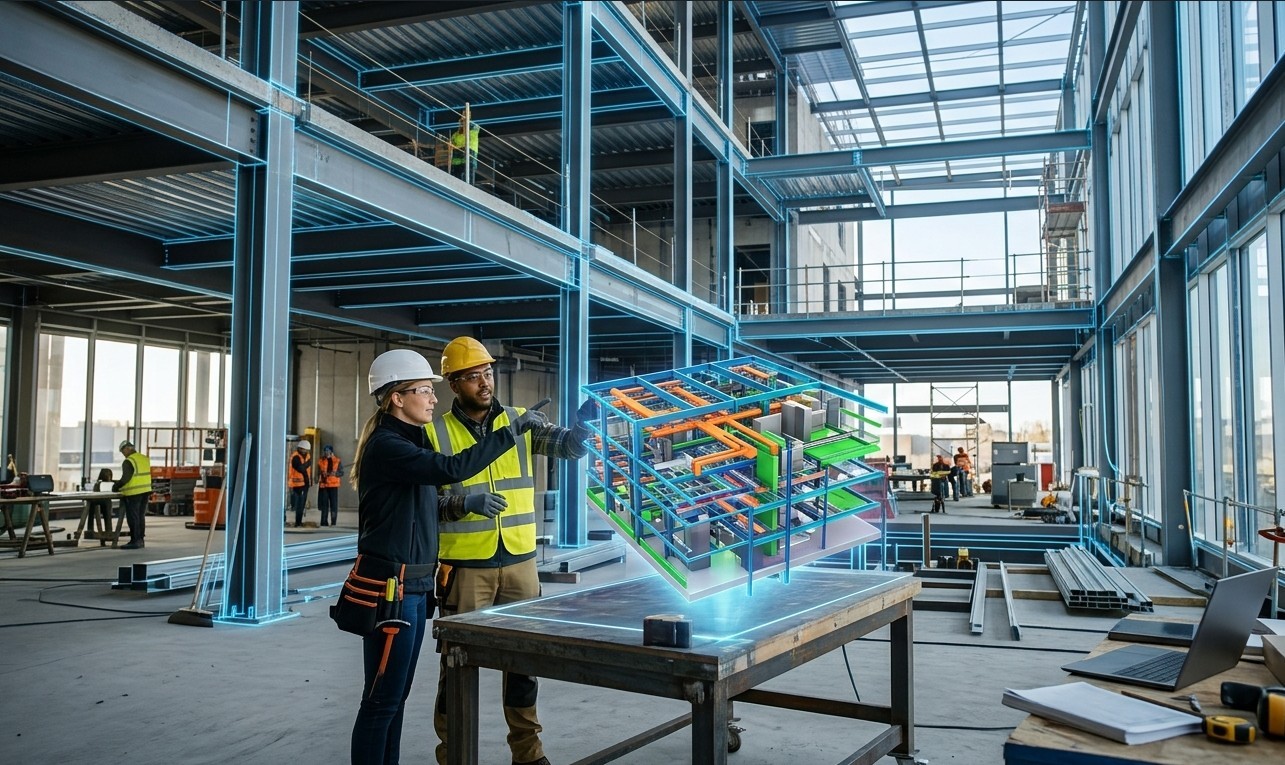
In construction projects, coordination gaps between designers and contractors are one of the leading causes of delays, rework, and cost overruns. Drawings may be complete, but without alignment between disciplines, execution becomes reactive instead of planned.
This is where Building Information Modeling (BIM) plays a critical role.
BIM is not just a design tool. It is a coordination framework that connects architectural, structural, and MEP systems into a shared digital environment. Many contractors improve coordination outcomes by working with experienced BIM modeling teams who align models with construction workflows and ensure that design intent translates into buildable solutions.
A Shared Source of Truth
Traditional workflows rely on separate drawings from each discipline, increasing the risk of inconsistencies. BIM creates a centralized model where all stakeholders work with the same information.
This shared environment reduces miscommunication and ensures that updates are reflected across all systems in real time.
Early Clash Detection and Conflict Resolution
One of the most valuable benefits of BIM coordination is clash detection. Conflicts between systems, such as ductwork and structural elements, are identified before construction begins.
Resolving these issues during the design phase significantly reduces RFIs, site modifications, and delays.
Improved Communication Between Teams
BIM models provide a visual and data-rich representation of the project. Designers and contractors can review the same model, discuss constructability, and align on sequencing.
This improves decision-making and minimizes misunderstandings that typically arise from 2D documentation.
Better Construction Planning and Sequencing
Coordinated BIM models support construction planning by allowing teams to simulate installation sequences and logistics. Contractors can identify constraints, optimize workflows, and plan resource allocation more effectively.
This results in smoother execution and improved schedule reliability.
Why Coordination Matters for Decision Makers
For project directors and executives, coordination is directly linked to cost control and project performance. Poor coordination leads to rework, claims, and productivity loss.
BIM improves coordination by making project information transparent, structured, and accessible. Projects that integrate BIM early consistently achieve better alignment between design and construction teams.