
Delay analysis decides claims. Time entitlement gets won or lost on the analysis methodology, the schedule documentation, and the forensic discipline behind the calculation. Most contractors lose entitlement they were due because the analysis wasn't built to claims-defense standard.
Forensic scheduling isn't conventional scheduling. It runs on different methodology (TIA, windows analysis, collapsed as-built, retrospective TIA), requires different documentation discipline, and has to survive scrutiny from owner reviewers, claims consultants, and sometimes courts. Most in-house schedulers know how to run updates. They don't usually have forensic depth.
AEdigo gives general contractors, subcontractors, owners, and claims management firms on-demand access to pre-vetted forensic schedulers. They run TIAs, windows analysis, and delay defense work, building schedule analysis that supports time entitlement arguments under owner review and dispute resolution.
What schedule impact and delay analysis actually delivers
The output is a defensible schedule analysis showing the delay impact, the entitlement basis, and the documentation that supports the time argument under review.
Typical outputs from a forensic scheduler working through AEdigo:
Time impact analyses (TIA) using prospective methodology
Windows analysis using retrospective methodology
Collapsed as-built and as-planned vs. as-built analysis
Critical path delay identification with concurrent delay analysis
Schedule fragnet preparation for proposed change orders
Delay narrative documenting the analysis and entitlement basis
Claims-stage schedule reconstruction
Expert support during dispute resolution proceedings
When you actually need delay analysis support
A change order requires schedule impact analysis to support time entitlement.
An owner is disputing a delay claim and the analysis needs to be claims-defense quality.
A claim is forming and the underlying schedule documentation isn't strong enough.
A windows analysis is required to support an entitlement argument.
An owner-side review of a contractor's TIA requires independent analysis.
A disputed schedule extension requires forensic methodology your in-house team isn't familiar with.
A project is heading into dispute resolution and schedule expert support is needed.
How AEdigo runs delay analysis work
1. Match against methodology and dispute context
The match accounts for the required methodology, the dispute context, and the documentation depth required.
2. Kick-off on methodology and entitlement basis
Analysis methodology, entitlement basis, supporting documentation requirements, schedule baseline status, and any dispute resolution timeline. The kick-off locks the analysis framework before work begins.
3. Schedule reconstruction and analysis
Schedule status reconstruction at relevant points, analysis methodology application, critical path identification, concurrent delay assessment, and impact calculation. Each step gets documented as it's performed.
4. Documentation packaging
Delay narrative, supporting evidence, schedule files, and analysis exhibits get packaged into a deliverable that supports the entitlement argument under review.
5. Review and revision support
The analysis goes through internal QA before issuance. Comment response and revision rounds against owner-side review or counter-analysis are part of standard scope.
Tools delay analysis professionals work in
Primavera P6 for primary forensic schedule analysis
Microsoft Project for MS Project-driven projects
Acumen Fuse for schedule QA and forensic verification
Schedule Cracker and similar specialty forensic tools
Excel for impact calculation and analysis support
Microsoft Word for narrative and exhibit preparation
What separates a forensic scheduler from a project scheduler
Project schedulers run updates. Forensic schedulers reconstruct the past, analyze impact, and defend the analysis under scrutiny. The methodology is different, the documentation discipline is different, and the consequences of getting it wrong are different.
AEdigo vets forensic schedulers on:
P6 fluency at forensic level including baseline reconstruction
Methodology fluency across TIA, windows analysis, and collapsed as-built
Concurrent delay analysis discipline
Critical path identification under disputed schedule conditions
Documentation discipline for claims-defense standard
Narrative writing skill for entitlement arguments
Comfort with cross-stakeholder review and counter-analysis
Experience with dispute resolution proceedings
Use cases by stakeholder
General contractors
TIA preparation for proposed change orders
Delay claims preparation and defense
Concurrent delay analysis
Schedule impact arguments for time entitlement
Subcontractors
GC-side delay claims
Trade-specific impact analysis
Time entitlement support for change orders
Owners and program managers
Independent review of contractor TIAs
Counter-analysis of delay claims
Defense against contractor entitlement arguments
Common delay analysis failures
Delay analyses lose entitlement for predictable reasons. If your past claims have lost time you believed you were entitled to, the analysis methodology probably contributed.
Methodology not aligned to the contract's specified delay analysis approach.
Critical path identification weak, allowing the owner to argue concurrent delay.
Concurrent delay treatment inconsistent or not addressed at all.
Schedule baseline reconstruction without supporting documentation.
Delay narrative thin, leaving the analysis undefendable.
Supporting evidence packaging incomplete, weakening the entitlement argument.
Methodology applied incorrectly, generating challenges from owner-side reviewers.
Why methodology fit determines outcome
Delay analyses lose entitlement most often because the methodology didn't fit the situation. The contract specified one approach, the analysis used another. Or the methodology technically applied but produced an analysis the owner-side reviewer could attack.
Methodology fit means matching the analysis approach to the contract requirement, the available documentation, and the entitlement argument:
Prospective TIA fits when entitlement is being argued before the delay completes, with proposed schedule fragnets supporting the argument.
Retrospective windows analysis fits when entitlement is being argued after the delay, with sufficient schedule update history to support windows.
Collapsed as-built fits when as-built data is strong but baseline documentation is weak.
As-planned vs. as-built fits when both baseline and as-built records are well-documented.
Fragnet analysis fits when isolated impacts need to be analyzed against the existing schedule.
Concurrent delay analysis applies across all methodologies and requires explicit treatment, not silent inclusion.
Why this matters at engagement start
The wrong methodology produces analysis the owner-side reviewer dismisses. The kick-off establishes which methodology fits the contract requirement, the documentation status, and the entitlement argument. Generic delay analysis without methodology fit usually loses entitlement that proper analysis would have preserved.
Delay analysis services vs. the alternatives
The alternatives are: have the project scheduler run the analysis, accept the time loss, or engage a claims consultant at the dispute resolution stage.
Project schedulers without forensic depth produce analyses that work for project management but don't survive claims-stage scrutiny.
Accepting time loss leaves entitlement on the table that could have been recovered with proper analysis.
Engaging claims consultants at dispute resolution is more expensive and gives less control than building the analysis as the project moves.
AEdigo runs delay analysis as a managed engagement: forensic-fluent schedulers, methodology aligned to the contract, documentation built to claims-defense standard.
How engagement works
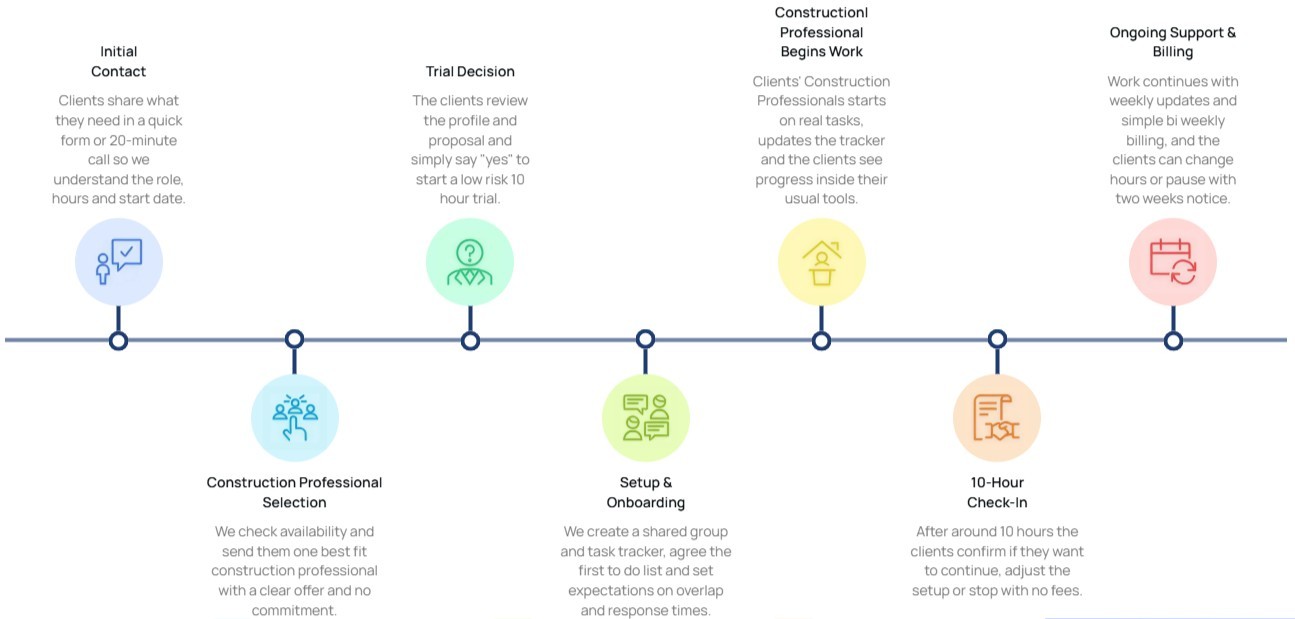
10-hour free trial
Flexible billing tied to actual hours worked
Cancel or pause with two weeks' notice
Engagements scoped per analysis or per claim
Self-managed and managed tiers available
Frequently asked questions
Implementation note: Wrap this section in FAQPage schema markup (schema.org/FAQPage) to qualify for rich results in Google.
What delay analysis methodologies do AEdigo's schedulers run?
TIA (prospective time impact analysis), retrospective windows analysis, collapsed as-built, and as-planned vs. as-built. The methodology gets matched to the contract requirement and the dispute context at engagement start.
Can AEdigo's schedulers handle concurrent delay analysis?
Yes. Concurrent delay treatment is part of standard scope. The methodology aligns to the contract's specified approach (whose-time-controls or apportionment) and the analysis documents concurrent delay periods explicitly.
Will the analysis support a claims-stage dispute?
Yes. Analyses get built to claims-defense standard with documentation depth that supports owner review, counter-analysis response, and dispute resolution if it comes to that. Expert support during proceedings is available.
Can AEdigo provide owner-side counter-analysis on contractor TIAs?
Yes. Owner-side review and counter-analysis is part of standard scope. The work includes methodology critique, supporting evidence verification, and counter-narrative preparation.